
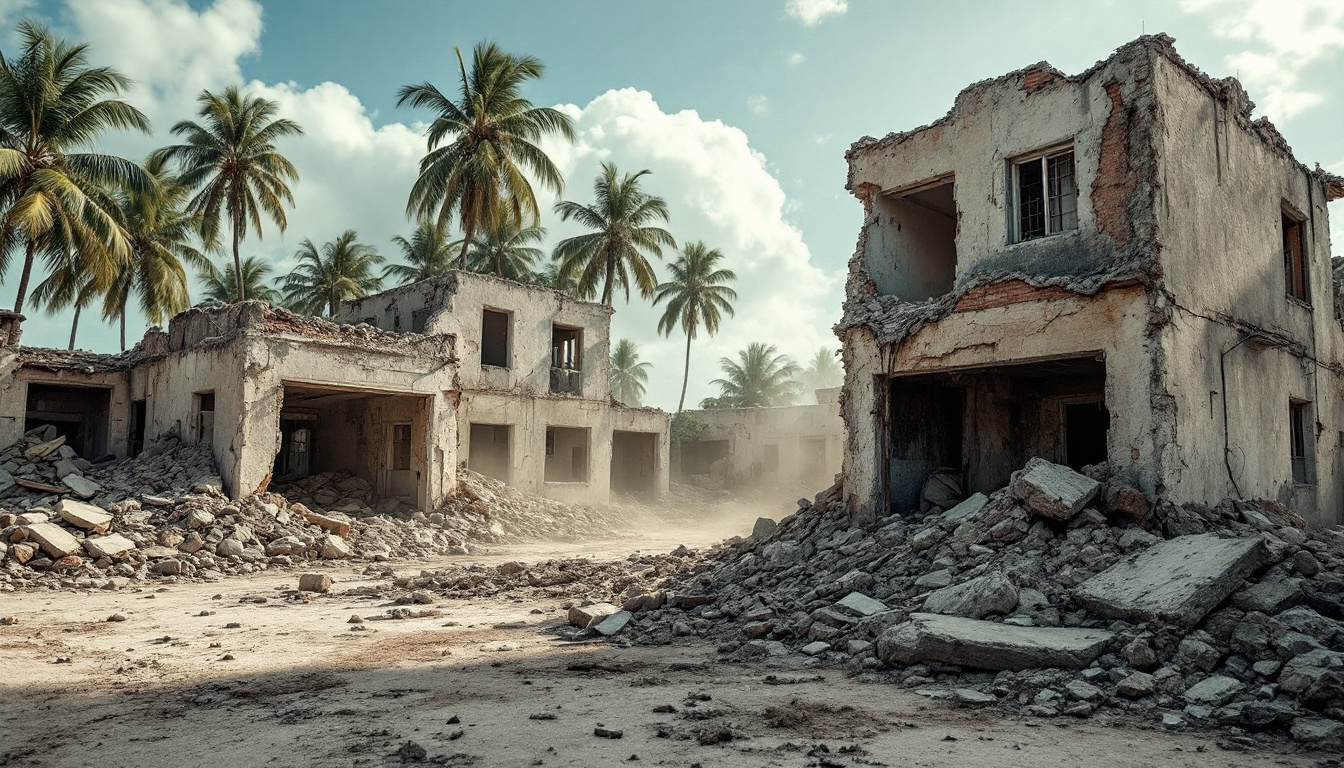
On November 6, someone posted a photo to X showing the compound used as headquarters by the 400 Mawozo gang in Haiti. Commenters started geolocating the building, cross-referencing satellite imagery, and within hours had pinpointed the coordinates. They sent those coordinates to the Salvadoran government.
El Salvador's military destroyed the building.
The backstory makes the response make sense. Last month, Haitian gangs captured four Salvadoran aviation mechanics who had been working on humanitarian operations in the country. President Nayib Bukele's government doesn't negotiate with gangs. It eliminates them. So when crowd-sourced intelligence from social media users delivered a verified location for the 400 Mawozo's headquarters, the Salvadoran military treated it like actionable intel and leveled the structure.
Gang members reportedly fled the compound before the strike. The building didn't.
Haiti has been in functional collapse for years. The country's president was assassinated in 2021, and armed gangs have filled the vacuum. Leaders like the one known as "Barbecue" — profiled by The Economist as a kind of warlord-celebrity — and Lanmò San Jou of the 400 Mawozo operate with near-total impunity across large sections of the country. Western nations have responded with hand-wringing, UN resolutions, and a Kenyan-led security force that has accomplished approximately nothing.
Bukele responded with a GPS coordinate and an airstrike.
This is the same president who rounded up tens of thousands of gang members in El Salvador, locked them in a mega-prison, and watched his country's murder rate plummet from one of the highest in the Western Hemisphere to one of the lowest. The international human rights establishment called it authoritarian. Salvadorans called it Tuesday. Bukele's approval ratings remain stratospheric because the results are not theoretical — they're measured in neighborhoods where children can walk to school again.
The gang that took those four mechanics picked the wrong country to provoke. El Salvador doesn't have a State Department process for this. It doesn't convene an interagency working group. It doesn't issue a strongly worded statement through the OAS. Four of its citizens were taken, the internet found the people responsible, and the military acted.
As reported by Not the Bee, the whole sequence — from photo posted to X, to crowd-sourced geolocation, to military strike — played out in days. The 400 Mawozo had operated that headquarters openly, apparently secure in the knowledge that no government would come for them. Haiti's own security forces couldn't. The UN wouldn't. Random people on social media did the targeting work for free, and a country 1,600 miles away did the rest.
Every Western foreign policy establishment that has spent years debating the "complexity" of Haiti's gang crisis just watched a Latin American country solve one piece of it with a social media post and a willingness to act. The coordinates were public. The compound was known. The gang was identified.
The only variable was whether a government existed that would actually do something about it.